|
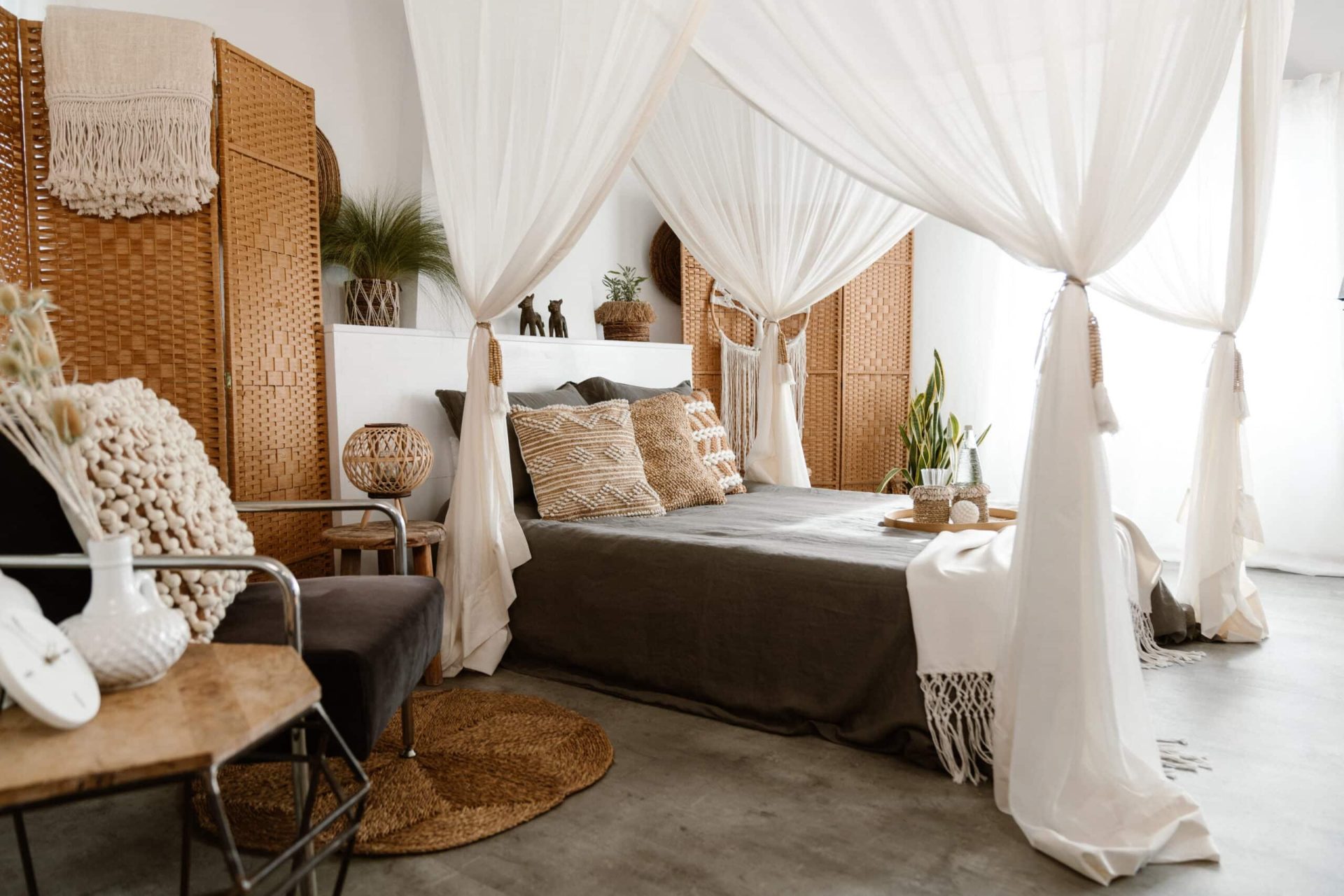
A bedroom should do more than provide a place to sleep. It should create a feeling of safety, quiet and separation from the demands of the day. Yet many bedrooms are designed mainly around practical choices: a bed, storage, lighting and perhaps a few decorative objects. The result may be functional, but it does not always feel restful. A carefully chosen mosquito net can change that balance. It introduces softness, height and movement while also serving a clear protective purpose. For many people, mosquito nets are associated with tropical travel or summer evenings. In reality, they can be used throughout the year as part of a considered interior. Their flowing fabric softens straight architectural lines, frames the sleeping area and creates a subtle sense of enclosure. Instead of becoming an isolated decorative item, the net can connect the bed, textiles and surrounding space into one coherent composition. Why visual calm matters in the bedroomThe bedroom is one of the few places in the home where visual stimulation should be limited rather than encouraged. Busy patterns, exposed storage and harsh contrasts can make a room feel active, even when the lights are dimmed. A mosquito net offers a simple way to reduce that visual tension. The fabric creates a gentle boundary around the bed without making the room feel closed. This is especially effective in large bedrooms where the bed may otherwise appear lost in the space. It can also work in compact rooms, where a lightweight net introduces depth without requiring heavy furniture or permanent construction. Function and atmosphere can support each otherInterior products are often divided into two categories: practical items and decorative items. A well-designed mosquito net challenges that distinction. It provides physical protection while also influencing the mood of the room. The protective function begins with the mesh. A balanced weave helps block insects while allowing air to circulate. This matters in warm bedrooms, holiday homes and spaces where windows remain open during the evening. A net that feels heavy or restricts airflow may offer protection but reduce comfort. Fine, carefully developed mesh avoids that trade-off. The atmosphere comes from the way the material moves and catches light. Cotton has a soft, natural appearance and creates a relaxed, tactile feeling. Polyester generally hangs more tightly, keeps its shape and is easier to use in situations where durability and low maintenance are priorities. Neither material is automatically better. The right choice depends on the room, the climate and the way the net will be used. Choosing between round and rectangular designsThe shape of a mosquito net strongly affects both installation and appearance. Round models usually hang from a single central point. They are easy to position and create a soft, romantic silhouette around the bed. This format works particularly well in smaller rooms or interiors where the net should remain visually light. Rectangular and square models use several suspension points. They follow the outline of the bed more closely and create a structured, almost architectural effect. Because the fabric falls from multiple points, these designs often provide more usable space around the mattress. They are suitable for larger beds, box springs and bedrooms where a more stately appearance is desired. A room with a sloped ceiling or angled wall requires additional attention. Standard placement may not work, but flexible suspension points can often solve the problem. Rather than forcing the net into a symmetrical position, the installation can respond to the architecture. This creates a result that feels integrated instead of improvised. The value of thoughtful craftsmanshipA mosquito net appears simple at first glance, but the quality is revealed in the details. Seams, borders, suspension rings and entry openings determine how the product looks after installation and how it performs over time. If the fabric is cut imprecisely or the edges are poorly reinforced, the net may lose its shape or become difficult to use. This is where small-scale production can make a noticeable difference. At Nusarah, mosquito nets are developed as part of a broader approach to refined living, craftsmanship and responsible production. Many pieces are made by hand in the brand’s own atelier in Bali, where cutting, sewing and quality control are treated as skilled work rather than anonymous production steps. Materials shape the experienceMaterial choice affects more than appearance. It determines how the net feels, how it moves and how much care it requires. Cotton mosquito nets have a natural softness and an airy, relaxed character. High-quality cotton can create a luxurious drape, especially when combined with double borders and strong metal rings. Because cotton is a natural fibre, it also suits interiors built around wood, linen, rattan and other tactile materials. Polyester nets have a different strength. Fine woven polyester is lightweight, stable and resistant to creasing. It can be practical in rooms where the net is used intensively or where a cleaner, more structured appearance is preferred. Reinforced polyester is also suitable for outdoor settings, provided that the edges and suspension points are designed for greater exposure. Bringing softness to outdoor spacesThe same sense of enclosure that works in a bedroom can also improve a terrace, patio, pergola or balcony. Outdoor areas often become less comfortable after sunset, precisely when people want to linger over dinner or relax in cooler air. A purpose-built outdoor mosquito net can help preserve that moment. Outdoor models need stronger materials and reinforced borders. Canvas edging, similar to the fabric used in quality tents, can improve stability and help the net withstand regular use. The installation should allow enough room for chairs, tables or lounge furniture without pulling the mesh too tightly. Styling the net as part of the roomA mosquito net should relate to the rest of the bedroom rather than appear as an isolated canopy. The easiest way to achieve this is through repetition of materials and tones. Natural cotton bedding, textured throws and understated cushions can reinforce the softness of the fabric. Decorative tassels may be used to hold entrances open during the day, adding a handcrafted detail without making the arrangement overly ornamental. The surrounding palette does not need to match perfectly. A layered combination of warm whites, sand, stone, muted brown or soft grey often feels more natural than a single uniform colour. The bed should remain easy to enter and leave. Styling should never interfere with daily use. Fabric that pools excessively on the floor may look dramatic, but it can collect dust or become inconvenient. A measured amount of length creates elegance without sacrificing practicality. Responsible design beyond the product itselfSustainability is not limited to the main material. Packaging, production volume, transport choices and the treatment of leftover stock all contribute to the impact of a product. Small-batch production reduces the risk of overproduction and allows quality control to remain close to the making process. Reusable cotton storage bags can replace disposable plastic packaging, while recycled paper labels and textile packaging for mounting materials reduce unnecessary waste. These choices may seem modest individually, but together they reflect a more consistent approach. When the net is not in use, it should be stored clean and completely dry. A breathable cotton bag protects it from dust while avoiding the trapped moisture that can occur in sealed plastic. This is particularly useful during a move, a renovation or the colder months. Measuring before installationThe quality of the final result depends heavily on preparation. Before choosing a model, measure the mattress, the bed frame and the available space around the bed. Also check the ceiling height and the location of lamps, beams, wardrobes and doors. A round net needs a suitable central point and enough width to fall freely around the sleeping area. A rectangular net requires several secure mounting points positioned in relation to the corners of the bed. The fabric should not rest tightly against the body during sleep, because that reduces comfort and can lessen the protective effect. It is also worth planning the entry points. A model with overlapping openings offers easier access while maintaining coverage. In a shared bed, openings on more than one side may be more practical. For outdoor use, consider the movement route between the house, seating area and garden so that the net does not become an obstacle. A well-installed mosquito net changes the experience of the space quietly. It softens the room, supports better rest and introduces a sense of shelter without requiring a complete redesign. The strongest results come from matching material, shape and installation to the architecture and to the way the space is actually used. |